


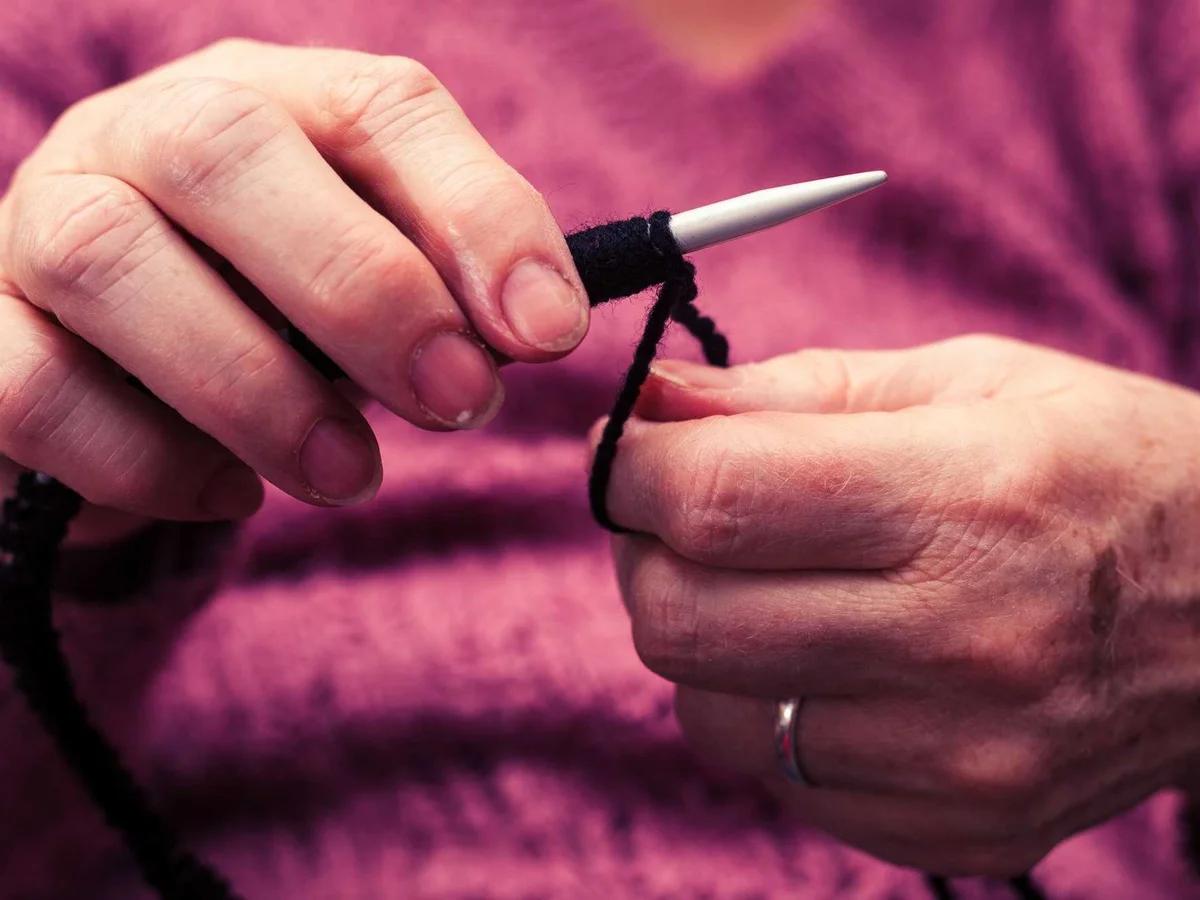
Although crochet is growing among younger people, many new crocheters find themselves learning alone. There is a good deal involved, and it can be confusing and frustrating without anyone to ask.
Here is where the help actually is.
Video, first
For any specific technique, watching hands do it is far more effective than reading a description. Crochet is a physical skill, and most beginner problems are physical rather than conceptual.
Search for the exact stitch or technique name. Almost every one has multiple demonstrations, and if one explanation does not land, another will.
Look for videos that show the work close up from the crocheter’s own angle rather than facing the camera. A mirror image is genuinely harder to copy.
A person, if you can
Still the best option, and easier to find than people assume.


Most yarn shops run groups or classes, and many libraries and community centres do too. They are almost universally welcoming to beginners.
Ten minutes with someone who can watch your hands solves things that an hour of reading will not, because they can see what you are doing wrong and you cannot.
Online communities
Crochet forums and groups are unusually generous with help. Post a photograph of the problem – people can diagnose from a picture in a way they cannot from a description.
Pattern databases where people log their projects are also useful: if you are stuck on a specific pattern, someone else has usually hit the same line and written down what it means.
Books
Worth having one good technique reference, as distinct from a pattern book.
What you want is clear photographs of each step, taken in smooth light yarn, and an index you can search quickly. A book that explains why things work is what you reach for when a pattern fails and you need to understand rather than follow.
Secondhand craft books are often excellent value. The techniques have not changed.
What to do when you are stuck
Read the line again slowly – most confusion is a misreading rather than a genuine ambiguity.
Work it in your head before picking up the hook.
Check whether the pattern uses US or UK terms.
Count your stitches against whatever count the pattern gives.
And if it still makes no sense, put it down and come back tomorrow. A line that is impenetrable at eleven at night is frequently obvious in the morning.
Be patient with yourself
Everything about crochet is easier once your hands know what they are doing, and that only comes from doing it. The frustration of the first weeks is not a sign that it is not for you.

