


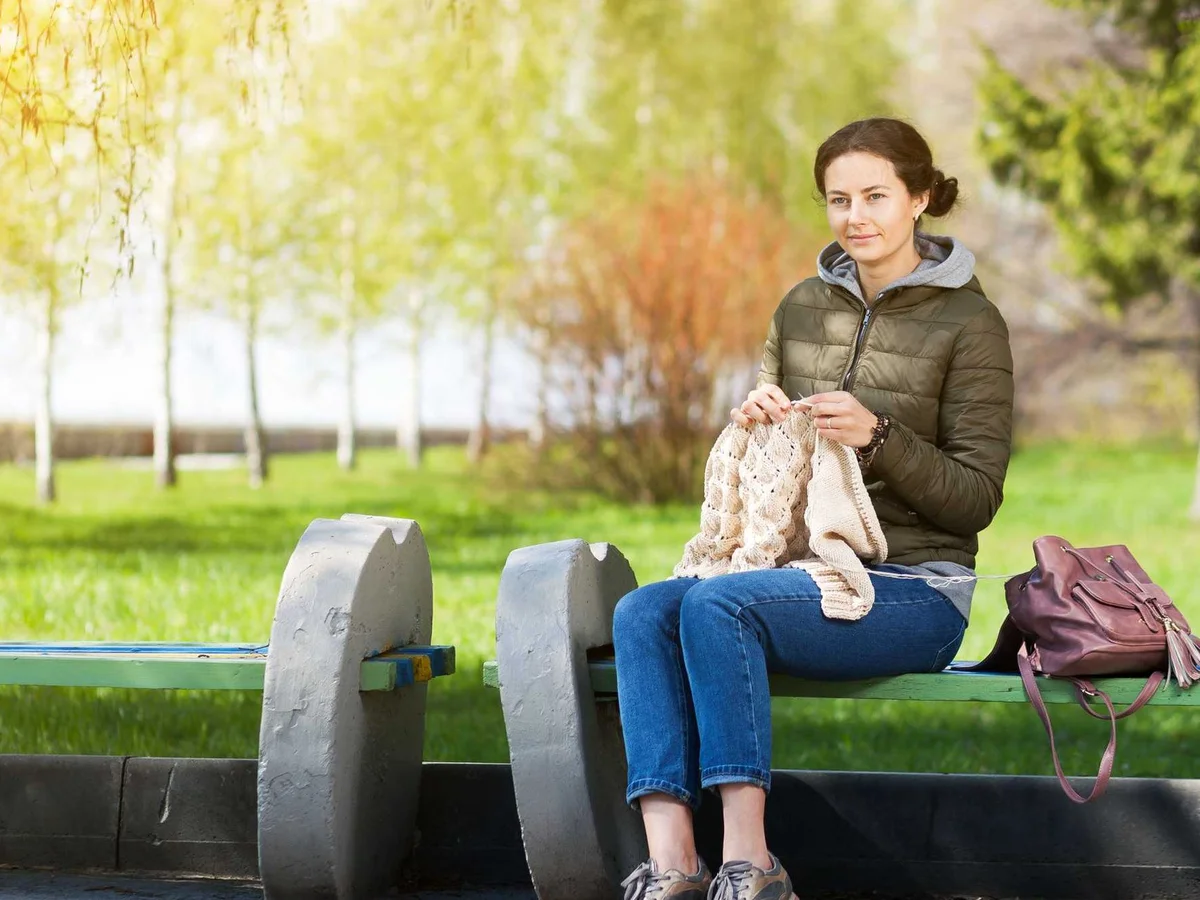
Summer holidays are a good stretch of time for children, and filling some of it with making things is better still. Craft activities develop cognitive skills and stretch the imagination in a way that little else does at that age.
Making things also builds openness, cooperation and perseverance, gives children a way to express themselves, and builds confidence. It is a good opportunity to spend real time together as well.
What makes a children’s craft work
Four things, and they matter more than the specific project.
It finishes in one sitting. Children’s patience is finite and a project left half done rarely gets picked up. Aim for something completable in under an hour.
The materials are forgiving. Anything requiring precision produces frustration. Yarn, paper, fabric scraps, paint and glue all tolerate approximation.
There is no single right answer. A project where the outcome is fixed becomes a test. One where colour and arrangement are up to the child becomes theirs.
The result is usable or displayable. Something to wear, give, or put on a wall means more than something that goes in a drawer.


Yarn crafts for children
Finger knitting needs no tools at all and produces a cord within minutes – good for bracelets, headbands and decorations. Most children pick it up in five minutes.
Pom-poms are almost impossible to get wrong and endlessly satisfying. Two cardboard rings and a ball of yarn.
Weaving on a simple cardboard loom teaches the structure of fabric and produces a small mat or coaster. A shoebox and some strong yarn is enough to start.
For older children who can manage it, a first crochet chain or a simple knitted square is a real skill rather than an activity, and some of them keep it for life.
Beach and summer themes
Shells collected on a beach make good material for a great many things, and the collecting is half the activity. Wash them thoroughly and let them dry completely first.
Sun printing with photographic paper, or simply laying objects on coloured paper in strong sunlight and watching the exposed areas fade, is genuinely surprising to a child.
Sand, driftwood and sea glass all work as materials, and all have the advantage of being free.
Practical notes
Set up somewhere that can get messy, and say so out loud – a child worrying about the table is not making anything.
Have everything ready before you start. The gap while you find the glue is where attention goes.
And resist correcting the work. A slightly wonky thing the child made is worth more than a neat thing you finished for them.

