


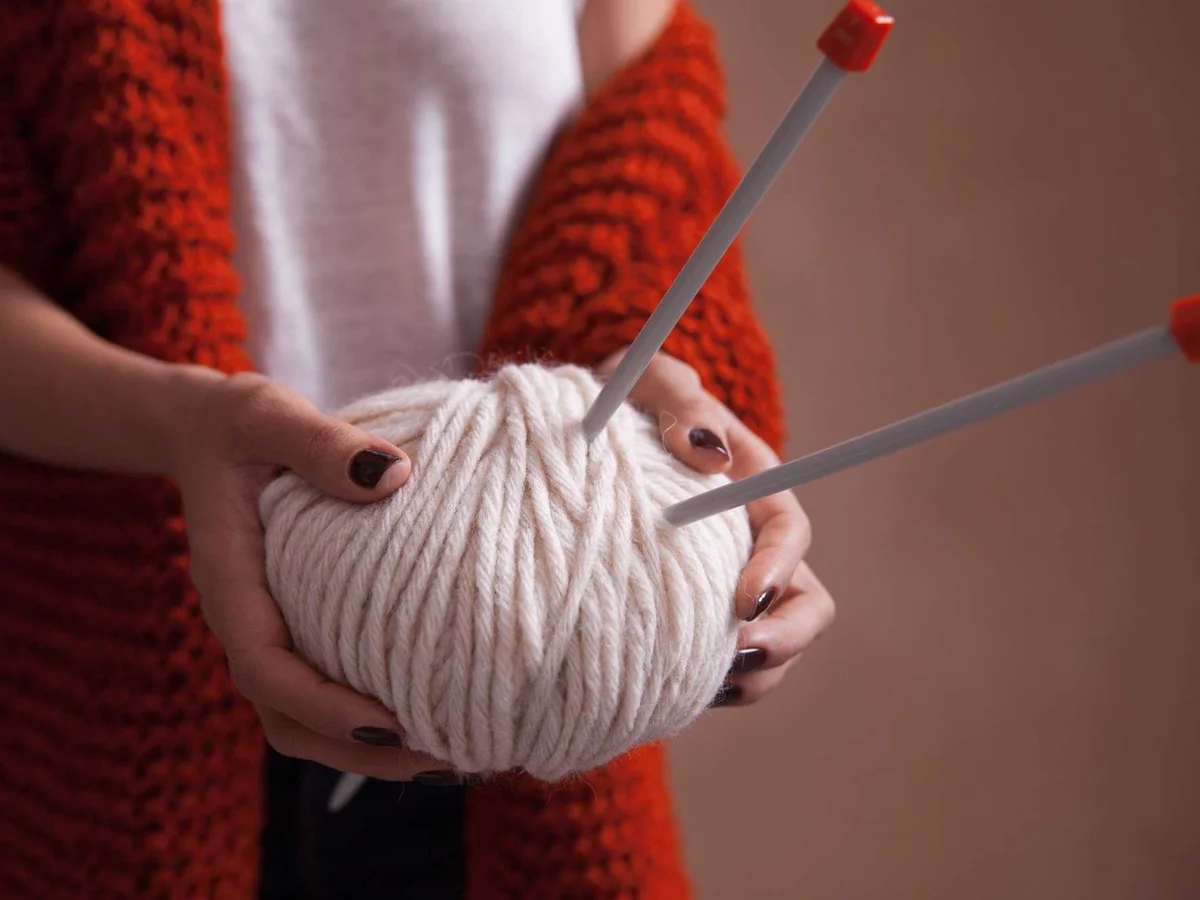
Knitted materials make some of the warmest and cosiest garments there are – a sweater or blanket in a heavy aran wool, a pair of socks in something lighter. They make thoughtful gifts. And a great many of them go unworn, because their owners are afraid of ruining them.
That fear is understandable and mostly unnecessary. Hand-knitted pieces can be cleaned; they just need a gentler process than a machine cycle.
Find out what it is made of
Everything else follows from the fibre. Shop-bought knitwear has a care label; a handmade piece does not, which is what makes the job trickier.
If you knitted it, keep the ball band. If someone gave it to you, ask. Failing both, treat it as untreated wool – the most cautious assumption, and the one least likely to destroy anything.
Washing
Hand wash in lukewarm water with a wool detergent or a mild soap. Not hot: heat is half of what causes felting.
Do not agitate. The other half of felting is friction. Press the garment gently under the water and let it soak for ten or fifteen minutes rather than rubbing or wringing it.


Rinse at the same temperature. A sudden change from warm to cold shocks wool fibres and causes them to seize up.
Press the water out. Squeeze gently without twisting, then lay the piece on a towel, roll the towel up with the garment inside, and press. This removes far more water than squeezing alone and does no damage.
Drying
Flat, always. Lay the piece on a dry towel or a mesh rack, out of direct sunlight and away from radiators.
Reshape it while it is damp – pat it back to the dimensions it should be, straighten the edges, square the shoulders. Wool sets as it dries, so this is your chance to correct anything that has gone out of shape.
Never hang a wet knitted garment. The weight of the water will stretch it permanently, and a sweater hung wet comes back with elongated shoulders that cannot be fixed.
Superwash and acrylic
Superwash wool has been treated so it can go through a machine, and it genuinely can. Use a wool cycle and a mesh bag, and still dry it flat – the dryer is harder on it than the wash.
Acrylic is the easiest of all: machine wash and dry without much thought. Keep it away from real heat, though, because it will melt rather than scorch.
Storage
Fold, do not hang. A hanger puts all the garment’s weight on the shoulders and distorts them over a season.
Store clean. Moths are attracted to body oils and food traces rather than to the wool itself, so an unwashed sweater put away for summer is the one that gets eaten.
Cedar or lavender in the storage box helps. Sealed plastic does not – wool needs some air, and trapped damp causes its own problems.

