


A Christmas stocking for the dog, with paw prints worked across the front. Skill level: easy. Worsted weight yarn.
Size it for the dog
This is where these often go wrong. A stocking made to a standard pattern size will look absurd hanging next to a great dane’s and will not hold anything for a small terrier.
Think about what actually goes in it – a couple of chews, a toy, a ball – and size the opening and depth around that. It is easier to adjust before you start than to discover the toy will not fit.
Yarn
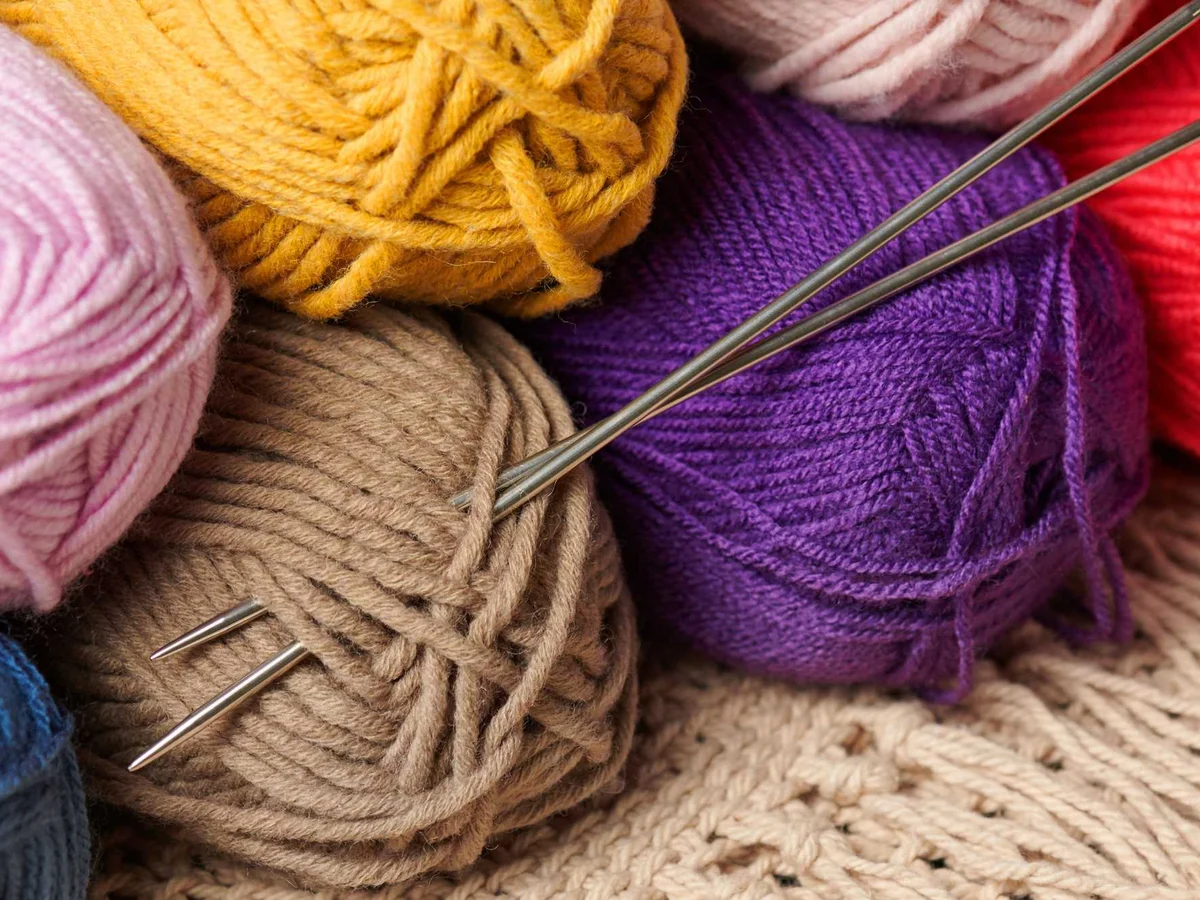
Worsted weight acrylic, such as Red Heart Super Saver. Acrylic is the right choice for a pet item: it takes a hot wash, it does not felt, and it survives being pulled off a hook and carried around the house, which is what will happen.
Safety around dogs
Weave every end in thoroughly and trim close. This matters more than for a human stocking – a dog that finds a loose yarn end will pull it, and swallowed yarn is a serious veterinary problem rather than a nuisance.
For the same reason, avoid pom-poms, bells on string, or anything dangling. If you want something for the dog to play with, put it inside the stocking.
Assume the stocking itself will end up in the dog’s mouth at some point. Make it in one sturdy piece rather than assembling small parts that can come off.
Colourwork
Carry the unused colour along the back of the work rather than cutting at every paw print. It saves a great many ends – which, given the point above, is a safety improvement as well as a convenience.
Keep the carried strand loose or the fabric will pull in wherever the paw prints sit.
Hanging
Work a firm loop and anchor it well into the fabric. A loaded stocking with a dog pulling at it from below puts far more strain on that loop than a mantelpiece hook usually sees.


