


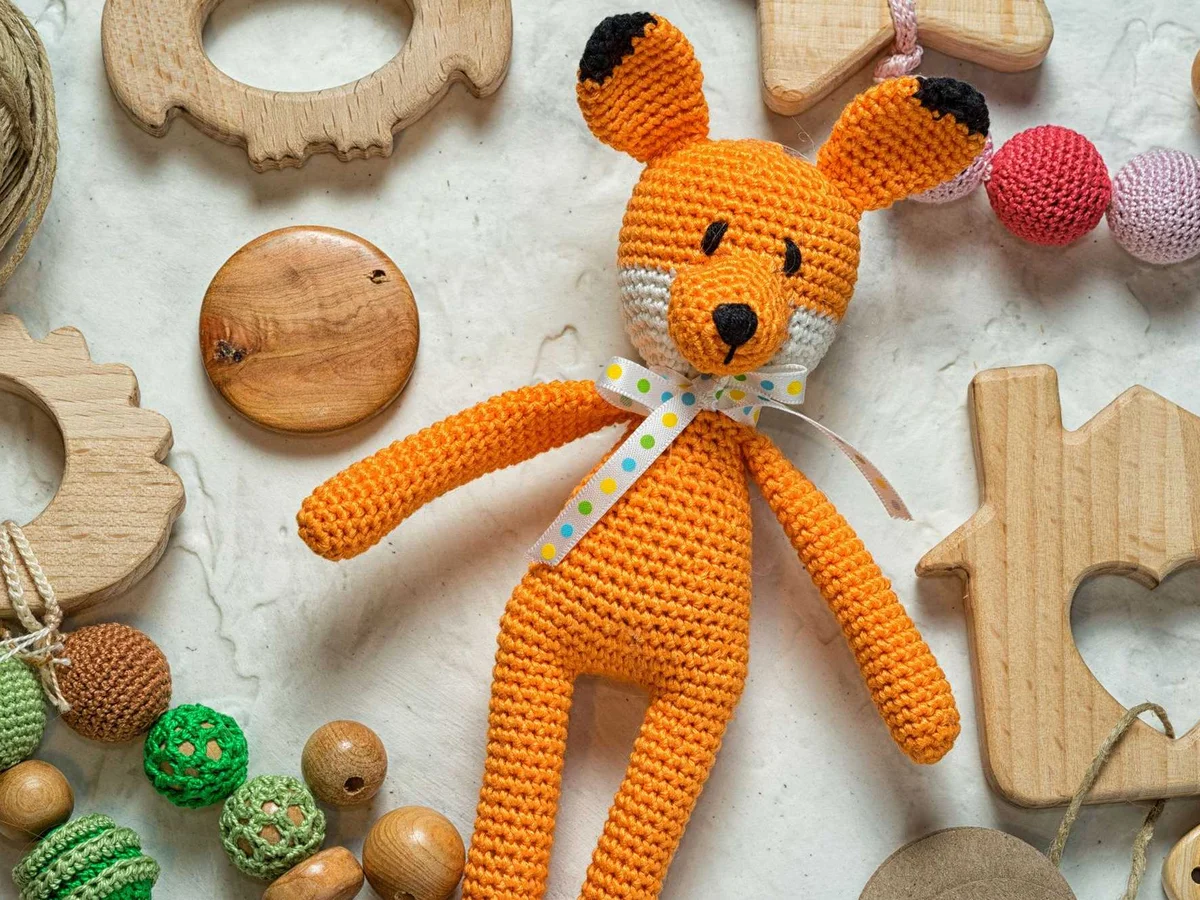
Most expectant mothers want to make something memorable for their children, and that is often what sends people looking for new crafts. Browsing baby knitting patterns for the little one in the family is how a great many knitters begin.
For some it is a hobby, for others a business, and for many a family tradition passed down through generations. Knitting used to be part of the school curriculum.
What is less often discussed is what it does for the person doing it.
The mental side
It reduces stress. The repetitive rhythm occupies part of the attention and frees the rest. People consistently describe it as calming, and it works through much the same mechanism as any repetitive meditative practice.
It gives visible progress. So much modern work leaves no trace. A knitted piece is measurably longer than it was yesterday, and that turns out to matter.
It occupies the hands. Many people find it helps them stop other habits – fidgeting, snacking, reaching for a phone – simply because their hands are busy.
It is sociable. Knitting groups provide regular contact of a kind that is genuinely good for people.


The physical side
Fine motor control. Knitting maintains dexterity and hand coordination, which respond to use and decline without it.
Focus and memory. Following a pattern, counting rows and tracking a repeat are real cognitive tasks.
A lower heart rate. Sustained rhythmic activity has a measurable calming effect on the body, not only on the mood.
And the strain, which is real
It would be dishonest to list the benefits without the cost. Long unbroken sessions cause genuine problems: wrist and thumb strain, shoulder and neck ache from a hunched posture, and eye fatigue.
These are avoidable, and the ways to avoid them are unglamorous.
Stop periodically. Every half hour, put the work down, stretch the hands and roll the shoulders. This single habit prevents most of it.
Sit properly. Most knitting strain is a posture problem, not a hand problem – the work drifts lower and the shoulders round forward without anyone noticing.
Use good light, positioned so you are not leaning toward it.
Vary your projects. A very fine yarn worked for weeks is harder on the hands than a mixture of scales.
Choose your needles. Wooden and bamboo needles are warmer and require less grip than metal. Circular needles let the work’s weight rest in your lap rather than hanging from your wrists, which makes a real difference on a large piece.
If something hurts
Stop. Pain in the hands or wrists is a signal rather than something to work through, and knitting will still be there next week.

