


Knitting patterns are, for the most part, straightforward. This is a breakdown of each section, so you know what information to expect and where. Not every pattern follows these conventions, but most do.
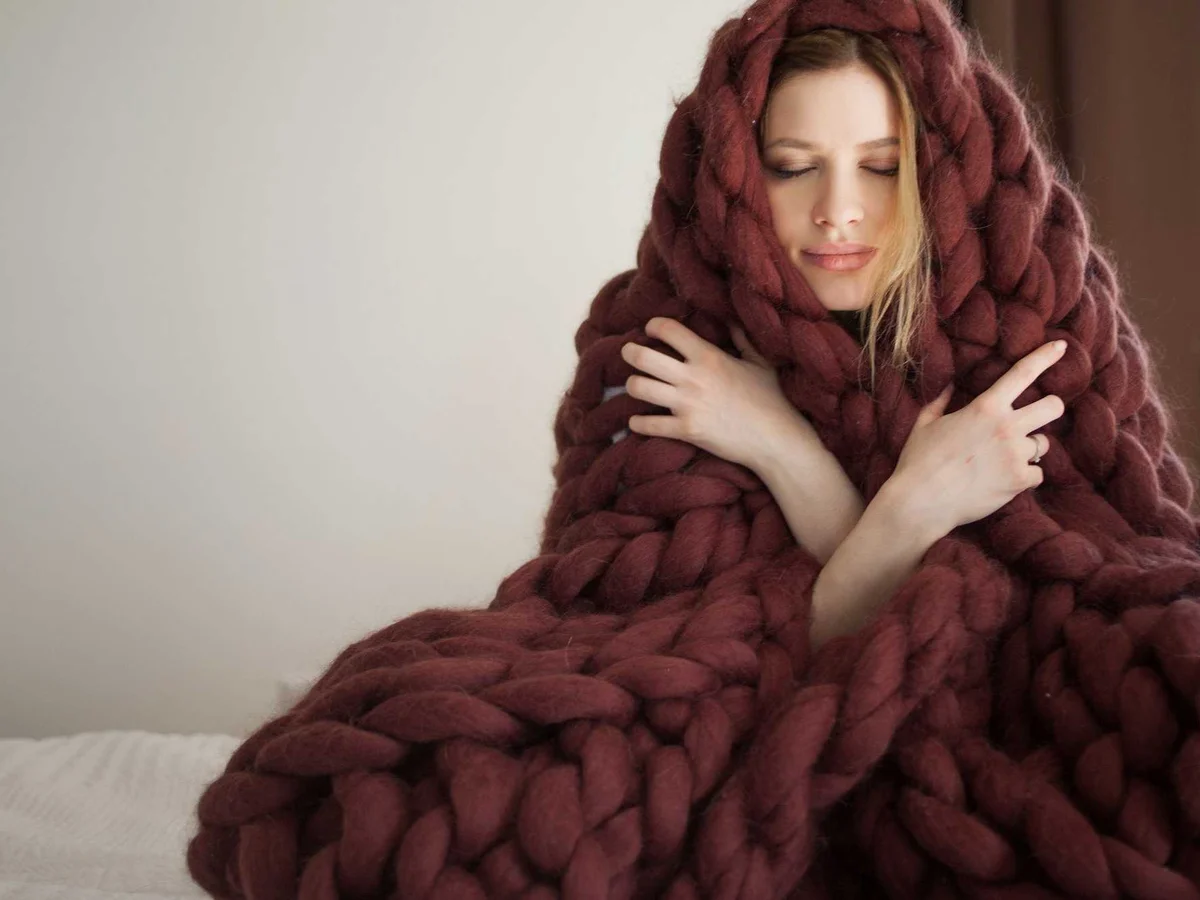
A pattern usually opens with a title and a photograph of the finished item. Those are self-explanatory. Then the useful parts begin.
Skill level
Easy, medium, hard – or beginner, intermediate, advanced. A glance tells you whether a pattern is within reach.
Roughly what each covers:
Beginner: knit and purl, straight rows, minimal shaping. Scarves, dishcloths, simple blankets.
Easy: basic increases and decreases, simple in-the-round work. Hats, plain mittens.
Intermediate: shaping that has to be tracked, cables, simple colourwork, garments that need to fit.


Advanced: complex lace, steeks, unusual constructions, patterns that assume you can adapt.
These are not exams. A determined beginner can work an intermediate pattern slowly. But the label tells you how much the pattern will explain and how much it assumes.
Size and finished measurements
Two different things, and the second is the one that matters.
The size is a label. The finished measurements tell you how big the garment actually is, and they include the ease the designer intended.
Compare the finished measurements against a garment you already own and like. That is far more reliable than comparing them against your body and guessing.
Materials
The yarn, its weight, the quantity, and the needle sizes.
Quantity is best given in yards or metres. Ball weights vary by fibre, so matching grams can leave you short.
Gauge
The most important line in the pattern, and the most skipped.
It states how many stitches and rows the designer got over a given measurement, in a given stitch. If your gauge differs, your finished item will be a different size – and on a garment the error compounds across the whole width.
Swatch, block the swatch, and measure it then. More stitches per inch than the pattern means go up a needle size; fewer means go down.
Abbreviations and special stitches
Standard abbreviations are usually assumed. Anything unusual to that pattern is defined here.
Read this section even if you are experienced. A pattern may use a familiar abbreviation for something slightly non-standard, and that is exactly the kind of thing that goes unnoticed for twenty rows.
The instructions
Worked in order, usually with a stitch count in brackets at the end of a row or round.
Check against those counts every time. A count that has drifted by one is fixable now and expensive later.
Watch the punctuation. Brackets group stitches worked into one place; an asterisk marks a point to repeat from. The punctuation carries as much meaning as the words.
Finishing
Seaming, blocking and any edgings. Do not skip the blocking instructions – for lace and cables in particular, blocking is where the fabric becomes what the photograph shows.

