


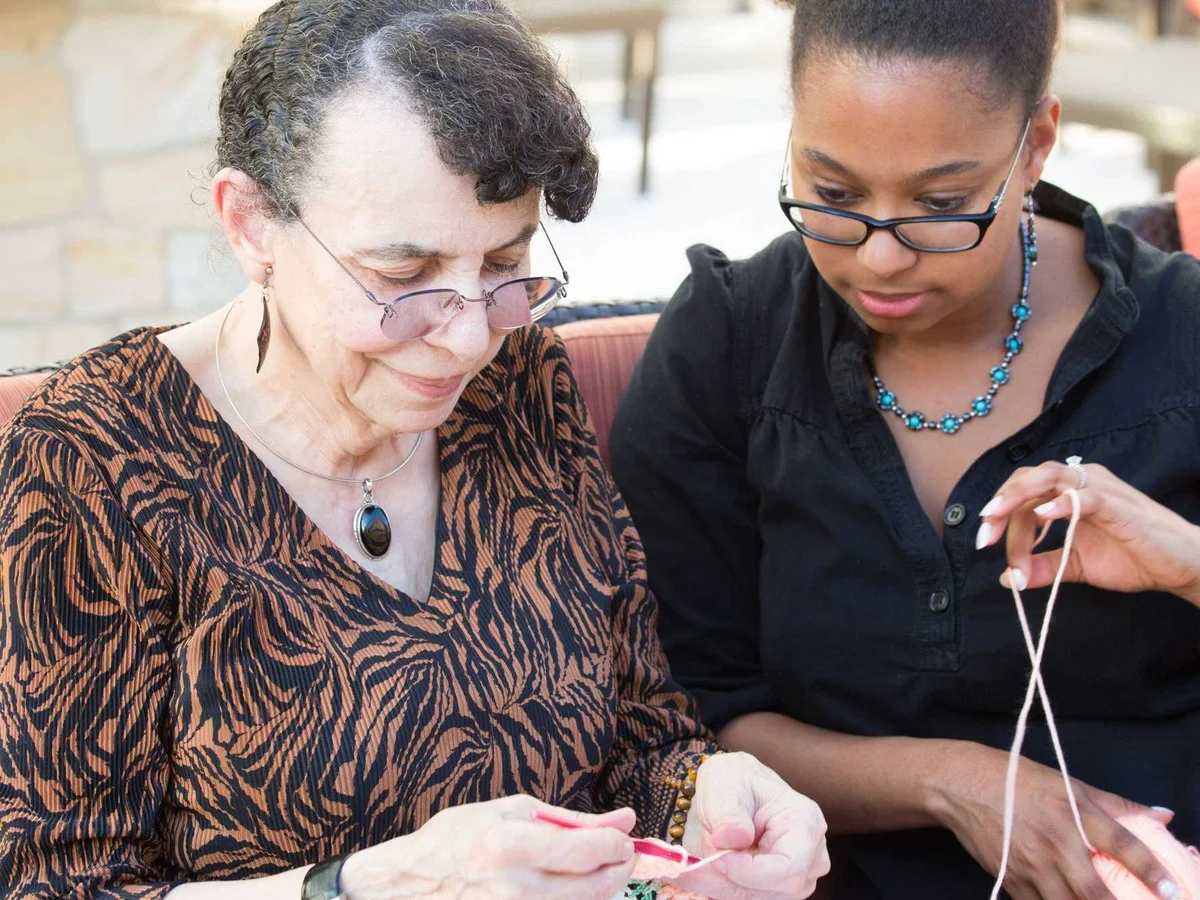
Lace weight yarns are the finest threads available: soft, light and beautiful, and capable of producing some of the most striking garments and accessories there are.
They are not suited to anything that will take hard wear. Used for delicate pieces and accents, they are unmatched.
1. Shawls
The conventional answer, and it is conventional because it works. A lace shawl uses the yarn’s fineness to full effect: the fabric is almost weightless, drapes completely, and opens up dramatically when blocked.
There are more shawl patterns available than for any other lace project, in every style from simple triangles to elaborate circular designs. It is also the most forgiving place to learn lace, because a shawl has no fit to get wrong.
2. Ponchos and wraps
A larger canvas for the same qualities. A lace poncho is warm without being heavy, which is a combination only fine yarn achieves.
Because there is more fabric, choose a pattern with a repeat you enjoy working – you will be doing it a great many times.


3. Scarves and cowls
A smaller commitment and a good first lace project. A narrow scarf in lace weight uses very little yarn and finishes in a reasonable time, which matters when you are learning a new technique.
Cowls have the advantage of being worked in the round, so you are always looking at the right side of the pattern.
4. Accent edgings
Lace weight does not have to be the whole garment. A lace edging on a plain cardigan, a cuff, or a collar in fine yarn lifts an otherwise simple piece considerably.
This is also a good way to use a single precious skein.
5. Held with another yarn
A strand of lace weight carried alongside a heavier yarn adds colour depth, a halo, or a hint of shine without changing the gauge much. Mohair lace held with a plain wool is the classic example, and it transforms an ordinary yarn into something with real character.
Practical notes
Blocking is not optional. Lace comes off the needles looking like a crumpled net. Everything the pattern promises appears only when it is wetted and pinned out, often to half again its unblocked size.
Use a lifeline. Thread a length of smooth contrast yarn through a completed row every so often. If you have to rip back, you rip to the lifeline rather than losing the whole piece, and in lace weight picking up dropped stitches unaided is genuinely difficult.
Work in good light, and expect it to take longer than the yardage suggests. Fine yarn covers ground slowly.
Choose a smooth needle tip. Lace needs a sharp point to work multiple stitches together cleanly.

