


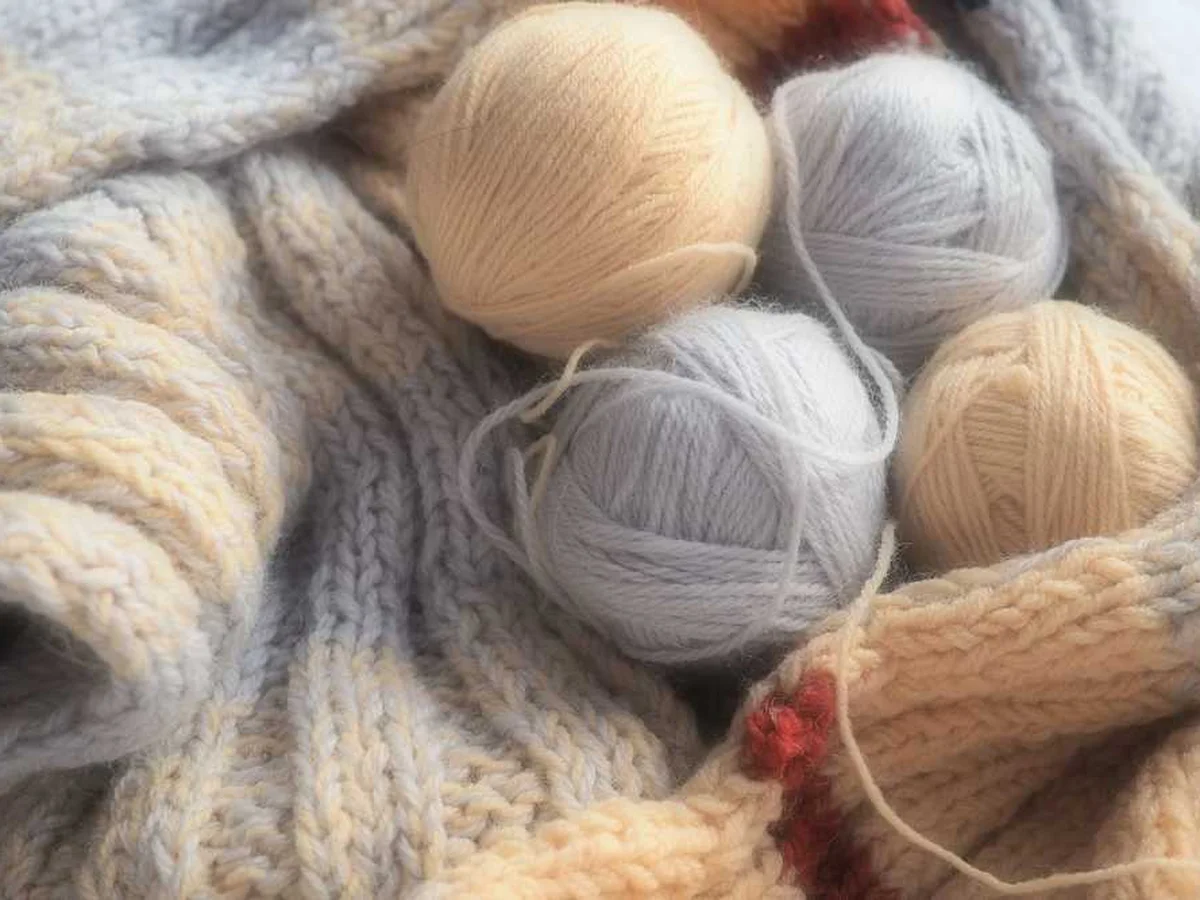
The Dwell Sweater is about as approachable as a crocheted garment gets. There is no shaping and no decreasing anywhere in it, which removes the part of garment-making that most often defeats people on a first attempt.
Chunky yarn with a 10mm hook. At that weight the fabric grows quickly, so a full sweater is a realistic weekend or week project rather than something that drags on for months.
The stitches
Double crochet and post stitches. Post stitches – worked around the stem of the stitch below rather than into the top of it – create the raised vertical texture that gives the sweater its interest. They are the only technique here that might be new, and they take about ten minutes to learn.
Because there is no shaping, the entire garment is essentially rectangles. That is what makes it beginner-friendly, and it is also why the fit works: an oversized sweater is supposed to hang loosely, so square construction is a feature rather than a compromise.
Sizing
One size fits most, though the pattern is written so it can be adjusted. As with any oversized garment, work out the finished measurement you want by measuring a jumper you already own and like, rather than measuring your body and guessing at the ease.
A note on weight
Chunky yarn plus dense crochet fabric makes a heavy garment. Crocheted fabric has less give than knitted, so an oversized crochet sweater will stretch downward under its own weight over a day of wear and will need reshaping when washed.
A yarn with wool content holds its shape considerably better than pure acrylic at this weight. If you want an acrylic for washability, work slightly tighter than the pattern suggests to compensate.
Buy all the yarn at the start in matching dye lots – at chunky weight you will get through it fast.


