


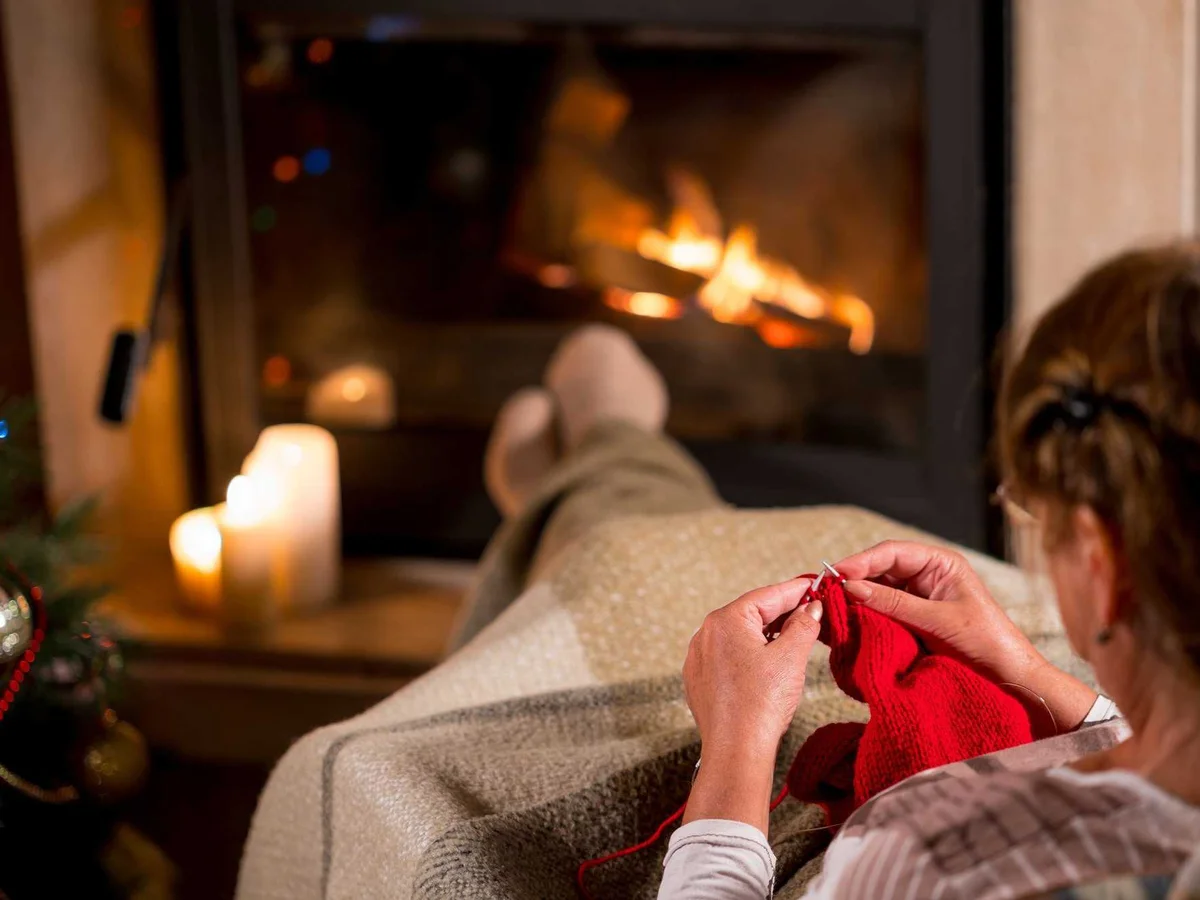
In the beginning the only sewing pattern used was to measure from ankle to ground and cut the animal skin so it would not drag. Things have developed somewhat since.
The long view
Sewing is among the oldest crafts there is, and among the most consequential.
Fitted clothing let people live in climates they could not otherwise survive. Sails made ocean travel possible. Tents, sacks and bindings – a great deal of what allowed people to move and settle depended on joining flexible material together.
The needle is one of the oldest tools we have.
What changed
For most of history clothing was made by hand, garment by garment. It was expensive, mended repeatedly, and handed down. People owned very few items and knew precisely how each was made.
The sewing machine and then the factory changed that within a few generations. Clothing went from being among a household’s most valuable possessions to something disposable.


With that went the assumption that everyone could sew. Repairing a garment used to be as ordinary as washing it.
Why the skill is coming back
Fit. Mass-produced clothing is made for an average nobody is. Being able to alter something is the difference between clothes that fit and clothes that nearly do.
Waste. The cost of disposable clothing has become hard to ignore, and mending is the most direct answer available.
Cost. Not always – fabric is not cheap – but extending the life of what you own certainly saves.
Satisfaction. Making or repairing something by hand is rewarding in a way that buying a replacement is not.
Where to start
Mending, before making.
Replacing a button, closing a seam, taking up a hem. Each takes ten minutes, saves a garment, and teaches you how clothes are constructed. Once you have unpicked a seam and seen how a garment is built, making one stops being mysterious.
Then simple straight-seam items – a cushion cover, a tote bag. Then a loose garment in a stable fabric without a zip.
What you need
For hand sewing: needles, thread, small sharp scissors, pins and a thimble. Under ten pounds.
For machine sewing: a basic machine doing straight and zigzag stitch covers a great deal. And an iron – pressing as you go is the difference between a garment that looks made and one that does not.
