


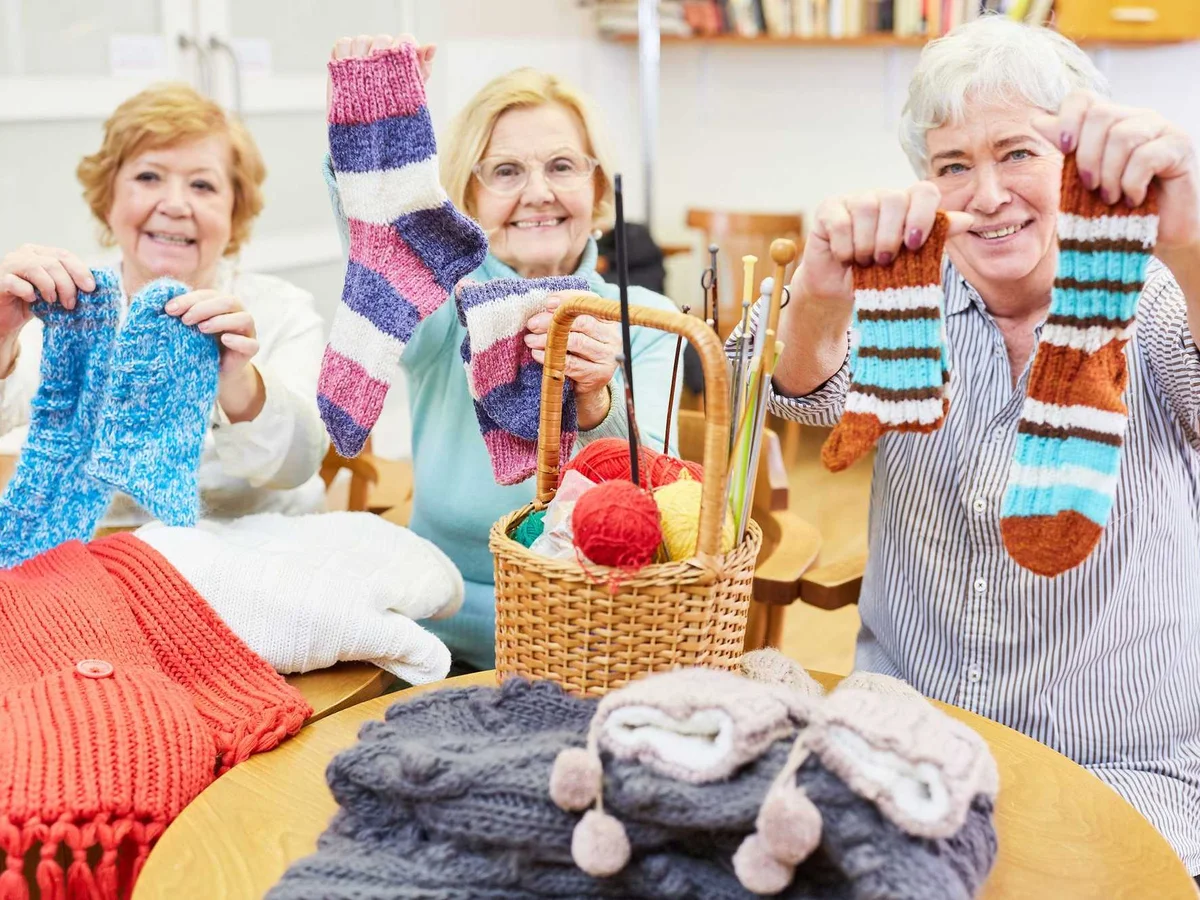
Crochet is both a craft and an art. Once you have the basic stitches you are well on the way to making things you will be glad to share with family and friends. Anyone can learn if they set their mind to it.
Decide what to make before buying anything
The step people skip, and the reason so many beginners end up with a bag of unsuitable yarn.
The item determines the hook size and yarn weight, and both are printed on any pattern. Choose the project, read what it needs, buy that.
Buying attractive yarn first and then looking for something to do with it is how stashes fill up with material nobody uses.
A good first project
Something flat, small, and where the fit does not matter.
A dishcloth in cotton is the standard recommendation and deserves it: it finishes in an evening, the yarn costs almost nothing, and it is genuinely useful.


A scarf is the natural second – longer, so it teaches consistency, with no new technique required.
Do not start with a garment or a hat. Those need correct gauge, and a first attempt that fits nobody is discouraging.
What to buy
A 5.00mm (H-8) hook and a ball of smooth, light-coloured worsted weight yarn.
Smooth and light so you can see the stitches. This is the most useful purchasing decision you will make – dark and fuzzy yarns hide the stitch structure completely, and being unable to see what your hands have done is why most beginners give up.
A blunt tapestry needle for weaving in ends. That is the whole list.
The stitches to learn first
The chain, the single crochet and the double crochet.
With those three you can make a very large number of things. Everything else in crochet is a variation on where the hook goes and how many times you wrap the yarn.
Two things that will catch you out
The turning chain. Whether it counts as a stitch varies between patterns, and getting it wrong consistently adds or loses a stitch every row. This causes most wonky edges.
US versus UK terms. They use the same words for different stitches. If your fabric looks nothing like the photograph, check this first.
Count your stitches at the end of every row for the first ten rows and both become obvious immediately.
And finish it
However it looks. Your tension will be uneven and it settles within a couple of projects.

