


Have you heard those familiar words – “I’m bored” – from your child? Craft is the answer. Give children materials and boredom stops being a problem.
The basics worth keeping
Essential materials are paper, crayons, safe scissors and glue. Paper can include construction paper, plain printer paper, card and anything from the recycling.
Beyond that, a small stock of the following covers almost anything:
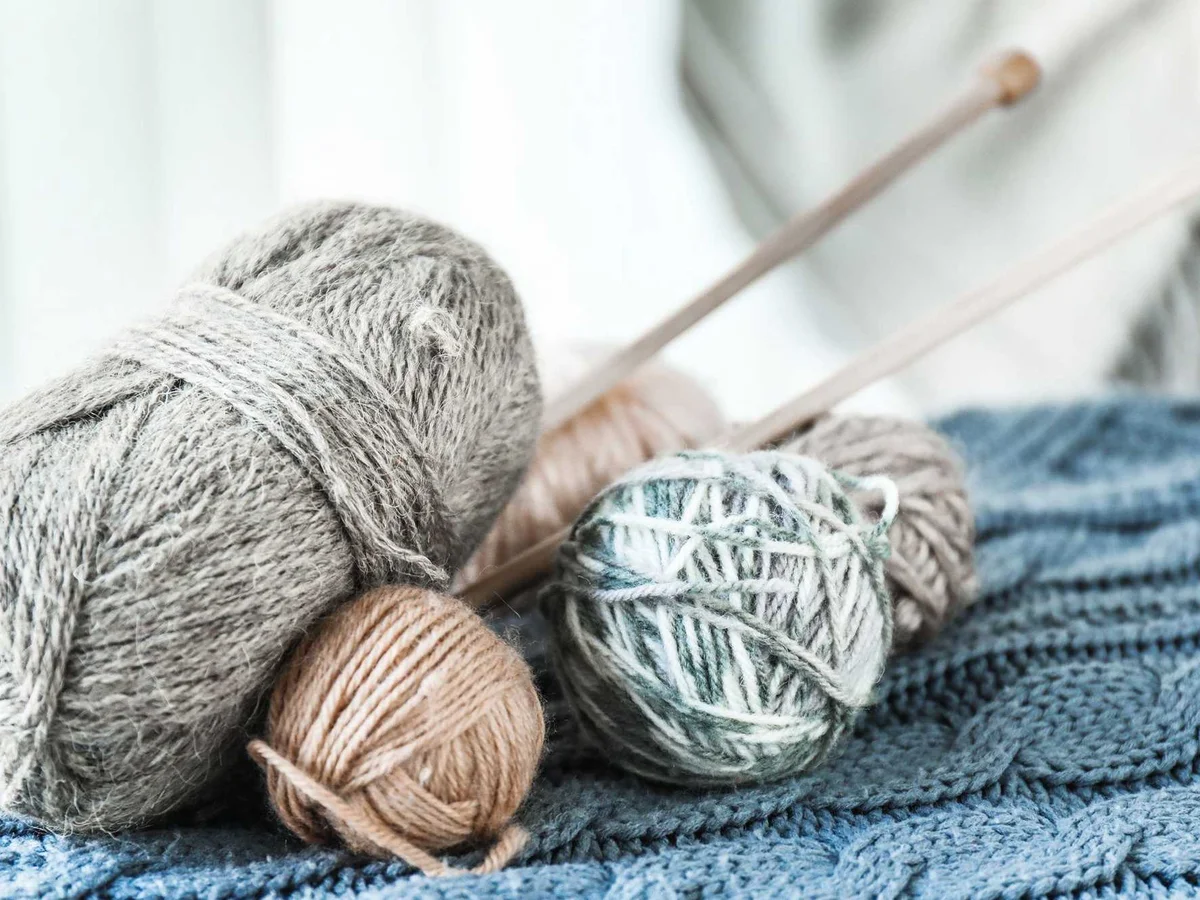
Paint and brushes. Coloured pencils and washable markers. Sticky tape. Yarn and string. Buttons, beads and pipe cleaners. Old magazines for cutting up. Cardboard boxes and tubes.
None of it is expensive, and most households already have half of it.
Keep it accessible
This is the difference between a craft cupboard that gets used and one that does not.


If materials are somewhere a child can reach, in containers they can open, they will make things without being prompted. If everything is on a high shelf and needs an adult, craft becomes an activity you have to organise – and it will happen far less often.
A low drawer or a set of labelled boxes is enough.
Somewhere it can be messy
A child worrying about the table is not making anything.
Designate a surface, cover it with an old cloth or newspaper, and say clearly that mess is fine here. Removing that anxiety changes what children are willing to attempt.
Resist directing it
The strong temptation is to suggest what to make, and then to improve it.
Both reduce the value. A child who decides what to make is solving a problem; one who follows an adult’s plan is completing a task. And a wonky thing they made themselves matters far more to them than a neat thing you finished.
Offer materials rather than projects.
Ideas when they genuinely need one
Cardboard box constructions – houses, cars, robots. Collage from magazines. Paper aeroplanes and paper chains. Painted stones. Finger knitting or weaving on a cardboard loom. Salt dough shapes.
All of these use what is already in the house.
Somewhere for the results
Display some of it. A pinboard, a fridge, a shelf.
Making things that get looked at is a different experience from making things that go straight in a drawer, and children respond to it.
And keep a box for the best ones. You will want them later even if they do not.

