


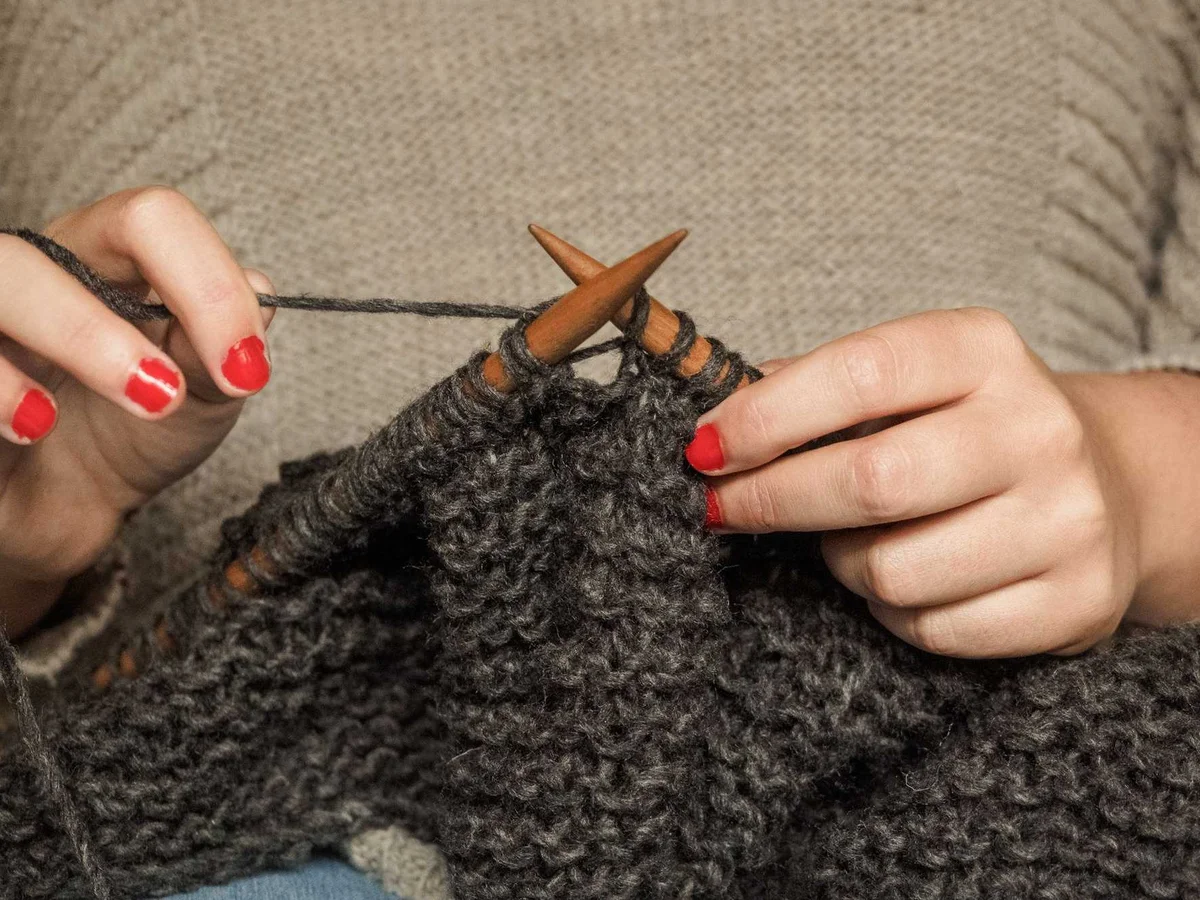
Crochet appeals to anyone with a flair for making things, and a great many people have learned with the help of magazines. Even experienced crocheters use them for ideas.
With patterns freely available online, it is fair to ask what a magazine is still for.
What a magazine gives you that a search does not
Curation. Someone has chosen these patterns, tested them, and put them together. Searching online gives you everything, most of which is not worth your time, and no way to tell which is which.
Discovery. You find things you would not have searched for. Nobody searches for a stitch pattern they have never heard of, but you will notice it on a page.
Reliable technical editing. A pattern in a reputable magazine has been checked by someone whose job it is to check patterns. That is not true of most free patterns.
Something to read away from a screen. For many people that is reason enough.
How to get more from them
Keep them, and index them. A shelf of magazines is far more useful with a note of what is in each. Otherwise you remember seeing a pattern and have no idea where.


Or tear out what you want and file it by project type.
Read the technique articles, not only the patterns. Magazines frequently explain a technique better than any book, because they have space for photographs and a specific reason to cover it.
Look at the stitch patterns rather than the projects. A stitch you like can be lifted into something else entirely. That is a more useful way to read a magazine than looking for a garment you want to make.
Older issues
Secondhand craft magazines are very cheap and often excellent. Techniques do not date – only styling and yarn brands do.
Charity shops and online auction lots frequently have bundles for very little, and a bundle of thirty old magazines is a considerable pattern library.
Free versus paid patterns generally
Free patterns are frequently excellent. What you tend to pay for is more sizes, tested instructions, and someone to ask when a row does not work.
On a large project in expensive yarn that is usually worth the price. On a dishcloth it is not.
Judging any pattern
Wherever it comes from, a good pattern states the yarn weight, the hook size, the gauge and the finished measurements. If any of those are missing, expect difficulty.

