


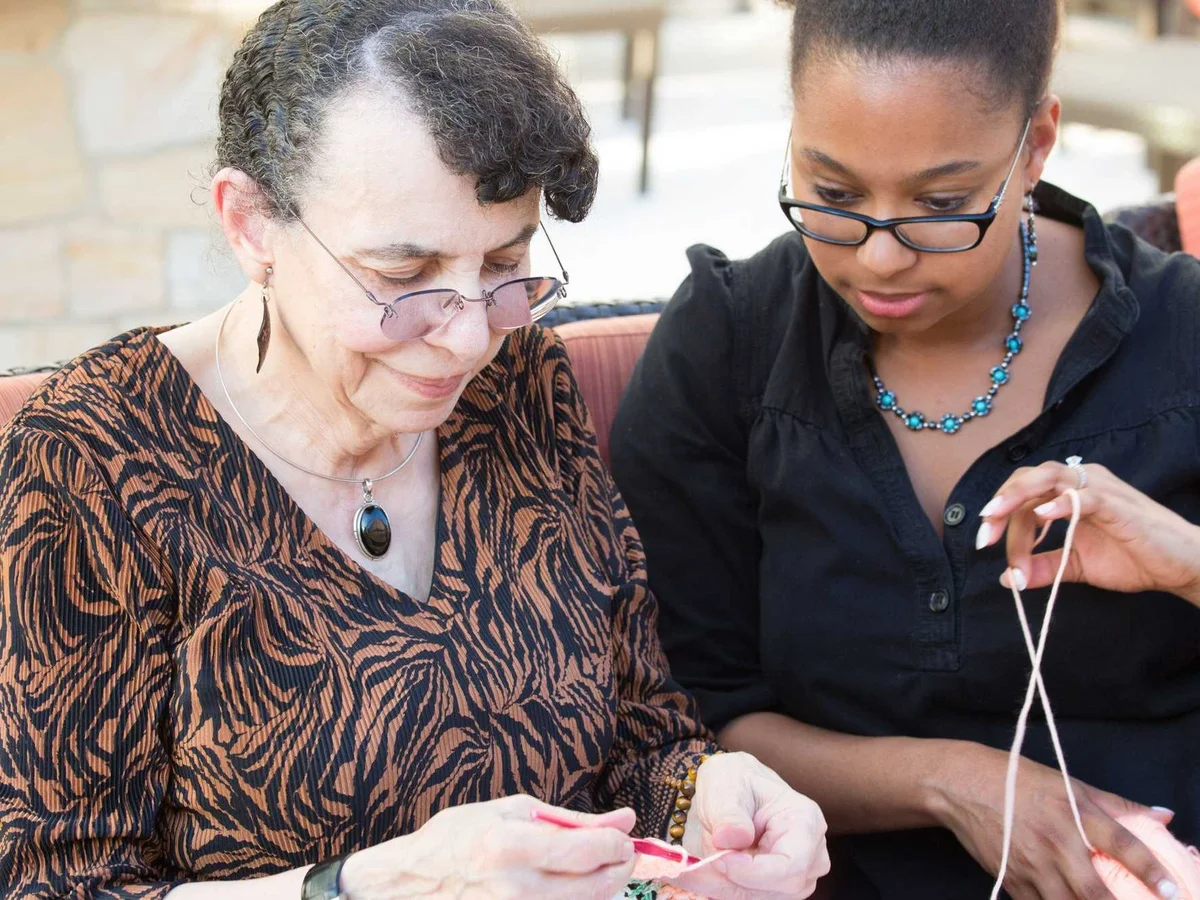
There are many ways to approach a crochet project, and the right method depends on what you are making. Diagrams and written instructions between them give you what you need to proceed.
Crochet is hand work, and it takes patience to finish a pattern. The way to make it easy is to choose sensibly rather than to work harder.
Match the pattern to your skill
This is the whole of it. Attempting a difficult pattern too early is what makes people decide crochet is beyond them.
Most patterns state a skill level. Take it seriously – not as a limit, but as a description of how much the pattern will explain and how much it assumes you already know.
A beginner pattern spells out every step. An advanced one will say something like “shape the armhole as established” and expect you to work out what that means.
Build up gradually
The sensible progression:


Flat pieces first. A dishcloth, a scarf, a square. Nothing but keeping your stitch count steady.
Then working in the round. Hats, coasters, amigurumi. The new skill is managing rounds and increases.
Then shaping. Anything that has to fit. Now gauge starts to matter and precision counts.
Then texture and colourwork. Cables, post stitches, graph work, lace.
Each stage uses everything from the one before. Nothing is wasted.
Reading diagrams
Symbol diagrams put a lot of people off, and they should not. Each symbol represents one stitch, and the diagram is laid out as the fabric will be.
Once you can read them, a great deal of pattern material opens up – including much from outside the English-speaking world, since a diagram survives translation intact where written instructions do not.
Start with a small diagram, a coaster or a granny square, where you can compare the symbols against the work in front of you.
Practical things that make it easier
Use a light, smooth yarn. Being able to see your stitches matters more than any other single factor when learning.
Use the right hook size for the yarn, then adjust for your own tension.
Count at the end of every row. A stitch gained or lost is fixable now and a great deal of work to fix later.
Work in good light.
And be patient with yourself
Crochet is hand work and it takes as long as it takes. The first attempt at any new stitch will be untidy, and the fifth will be fine. That is not a lack of aptitude – it is what learning a physical skill looks like.