


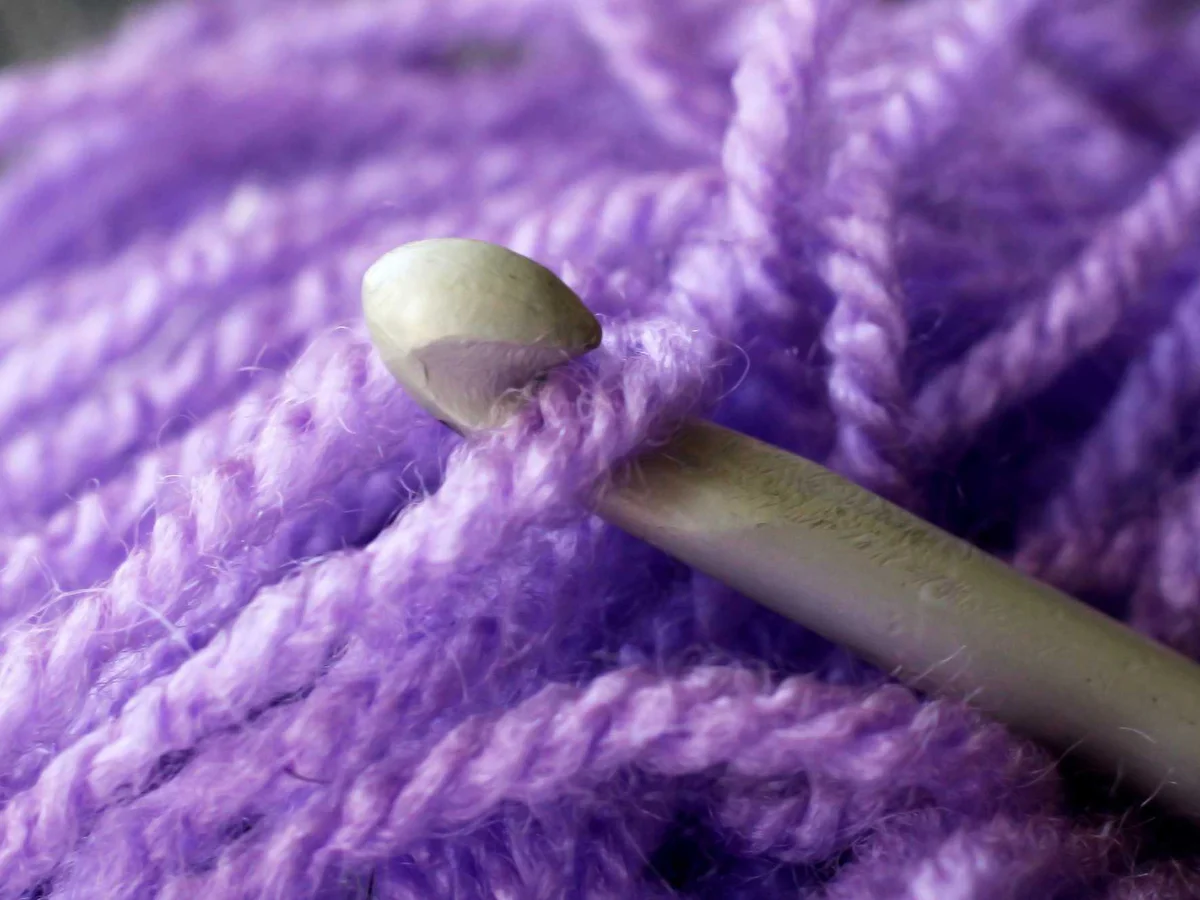
Crocheting for summer is different from crocheting for winter, because the weather in some places gets very hot. Some crocheted items become sweltering, and are simply not suitable for the season.
That applies to the person making them as much as the person wearing them.
Choose the fibre for the season
Cotton is the summer default. It breathes, it absorbs moisture, and it is cool against skin.
Linen and cotton-linen blends are cooler still and get softer with every wash.
Bamboo and cotton-bamboo blends have a cool, slightly slippery hand and good drape.
Avoid acrylic for anything worn in heat. It does not breathe, and against warm skin it is genuinely unpleasant.
Avoid wool for summer garments, though fine merino is more breathable than people expect.


Work more openly
The stitch matters as much as the fibre.
Crocheted fabric is naturally dense. For summer, use open stitch patterns – mesh, shells, lace, filet – which let air through and produce a much lighter garment.
Going up a hook size opens the fabric further and makes the piece lighter and faster to work.
Choose smaller projects
A blanket on your lap in August is miserable to make. Summer is the season for small projects: dishcloths, market bags, tops, hats, coasters, toys.
If you want to work on a blanket, work it in motifs. Each square sits in your hand rather than across your legs.
Comfort while crocheting
Worth mentioning because it is rarely said.
Hot hands make yarn stickier and tension tighter. Cotton is easier on the hands in heat than wool for this reason.
Work somewhere with air moving, and take breaks. And keep the yarn out of direct sun – it fades on the ball as readily as in a finished piece.
Good summer projects
Market and beach bags, in cotton. Practical, quick, and open stitches suit them.
Dishcloths, always.
Sun hats, worked firmly in cotton so the brim holds.
Light tops and cover-ups, in an open stitch.
Amigurumi, which is small and sits in the hand.
Care
Rinse anything worn at the beach or pool in fresh water – salt and chlorine degrade fibres.
Dry cotton flat rather than hanging. A heavy wet cotton garment on a hanger stretches permanently at the shoulders.

